

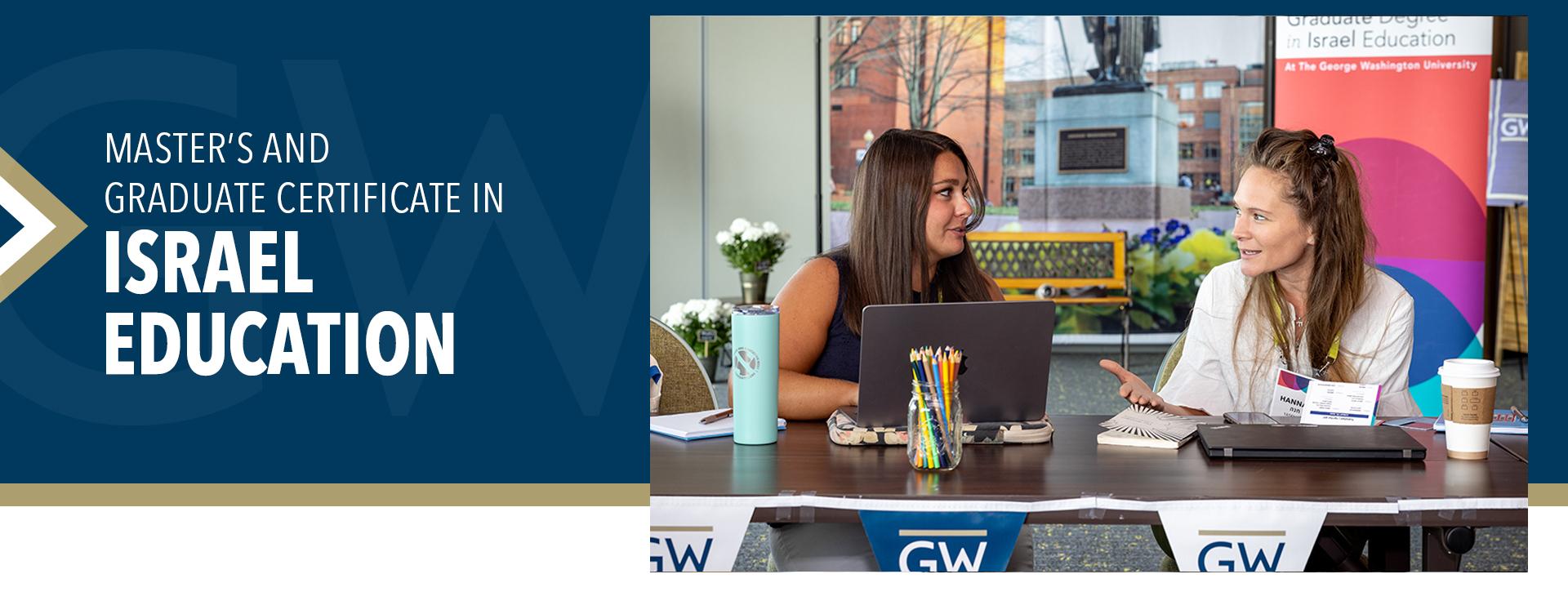
Master's and Graduate Certificate in Israel Education
Advancing Excellence in Israel Education
The profession of Israel education combines several diverse fields, among them Israel studies, philosophy of education, curriculum development and pedagogy, educational leadership, and theories and practices of working with people.
Created through a partnership between The iCenter and the George Washington University, with generous support from the Marcus Foundation, our Israel Education program is the first of its kind to be offered at a major university in the U.S. It brings together cohorts of Jewish educators, leaders and changemakers to learn new methods and techniques for Israel education.

Program participants earn a graduate certificate following the successful completion of 15 credits of coursework in Year 1. Academically eligible students may advance to the master's degree, an additional 15 credits of coursework in Year 2.
The program incorporates a focus on experiential education in informal educational venues, which are a growing niche within the Jewish education enterprise, as well as formal educational activities.

Accessible + Flexible
- Generous merit scholarships are offered for all students.
- The hybrid learning structure is designed to accommodate working professionals.

Commitment to Collaborative Learning
The cohort model allows peers to collaborate, learn from each other, and develop a professional network. We believe students are active participants in their own learning, and through that, can become partners in forging new directions in the field.

Renowned Faculty
Learn with and from faculty members who are active and experienced working professionals with real-world insights into the field of Israel education.
The GW Advantage
Our Israel Education program offers a unique model of advanced professional studies for this emerging and exciting field, featuring an intensive learning experience in Israel, vision-based learning, and individualized mentoring.
Outside of GW’s formal study of Jewish history, politics and culture, the university has a strong Jewish community among its student population. With approximately 20% of students identifying as Jewish, supporting Jewish education and student life is a priority at GW.
Degree Awarded:
Master of Arts in Education and Human Development in the Field of Israel Education
-and/or-
Graduate Certificate in Israel Education
Department:
Educational Leadership
Course Delivery:
Hybrid
Program Entry:
Fall
- Our Mission
The program's mission is to develop a new cadre of significant educators who can help shape the historic relationship between Israel and American Jewry into the twenty-first century.
- Graduate Certificate Curriculum
The following requirements must be fulfilled: 15 credits in required courses. (The program will run over the course of one academic year, including a fall, spring, and summer session.)
Code Title Required Three online courses (Fall and Spring): EDUC 6803 Introduction to Experiential Jewish Education EDUC 6811 Foundations of Contemporary Israel EDUC 6812 American Jews and Modern Israel Two three-day intensive face-to-face seminars on site (Fall): EDUC 6810 Paideia and Jewish Education An 8-day learning experience in Israel (Summer): EDUC 6813 The Israel Educational Experience - Master's Degree Curriculum
The following requirements must be fulfilled: 30 credits, including 24 credits in required courses and 6 credits in elective courses.
Code Title Required EDUC 6803 - online Introduction to Experiential Jewish Education (included in grad cert.) EDUC 6808 Conflict Education EDUC 6809 - online Multidisciplinary Research and Practice in Israel Education EDUC 6810 Paideia and Jewish Education; (included in grad cert.) EDUC 6811 - online Foundations of Contemporary Israel (included in grad cert.) EDUC 6812 American Jews and Modern Israel (included in grad cert.) EDUC 6813 The Israel Educational Experience (included in grad cert.) EDUC 6814 - online Teaching and Learning Hebrew Language EDUC 6815 - 3-day on-site seminar (Spring) Culturalism and Israel Education EDUC 6816 - online Professional Portfolio in Israel Education Electives 3-6 credits of elective courses, selected in consultation with advisor* *Non native Hebrew speakers will take an assessment upon admission. Students testing below level ג, will enroll in Hebrew for one of their electives. Those ג or above have the option to enroll in Hebrew language.
- Program Outcomes
The learning outcomes and goals of the Israel Education program are:
- Apply vision-based learning concepts to practical educational strategies.
- Critically evaluate existing issues and practices in the field of Israel education.
- Design experiential education programs and activities that emphasize the centrality of Israel to Jewish education, civilization, and life.
- Evaluate the needs and interests of policy makers, philanthropists, professional and lay leadership, and rank and file members of the contemporary Jewish community regarding Jewish education and Jewish life.
- Understand the historical and contemporary politics, culture, and geography of Israel, and apply this knowledge to the development of educational activities.
- Apply the foundational principles, pedagogies and tools of Israel education to formal and informal Jewish educational environments.

Apply Now
The application process for Cohort 10 will be announced in Fall 2026.
For questions about the application, contact max [dot] pivo gwu [dot] edu (max[dot]pivo[at]gwu[dot]edu).
To learn more about the program, GSEHD admission process, and upcoming events, please connect with the GSEHD Admissions Team at educationgwu [dot] edu (education[at]gwu[dot]edu) or 202-994-9283.
To be considered for admission, applicants must submit the online application form as well as the following required supporting documents. There is no application fee.
- Prerequisite: Bachelor's Degree
- Resume
- Transcripts from all previously attended colleges or universities
- Statement of Purpose (250-500 words)
- Two Letters of Recommendation
*Additional application requirements may exist for international applicants.
Tuition & Financial Aid
Thanks to generous support from the Marcus Foundation, all students accepted into the program receive significant scholarship benefits.
- Year One (Grad Cert.)
Each student receives significant scholarship funds and is only responsible for $5,000, with the hope that students’ employers will assist in the funding of their participation.
- Year Two (Master's)
Each student receives significant scholarship funds and is responsible for only $7,000, with the hope that students’ employers will assist in the funding of their participation.
Graduate tuition is charged per credit hour, unless otherwise noted. Rates vary by program and location.
The tuition rate* for the Israel Education program is $1,050 per credit hour.
The graduate certificate requires 15 credits, and the master's degree requires an additional 15 credits (30 credits total).
Please note: Additional fees may apply for international students, late fees, etc. Current tuition rates may be updated during the year.
*Summer 2026, Fall 2026 and Spring 2027
Scholarships are available to eligible admitted students. Review eligibility requirements and learn more about funding your education >


The Master's Degree program helped me build competence and confidence in my personal pedagogy and knowledge of Israel and Jewish education. As a result, I find myself thinking more critically about how theories of education play into my profession.
Bekkah Gold
-Cohort 5 RootOne
Not only did we talk about experiential education, but that's also how we learned. We created personal and professional connections. The faculty met our individual needs and, together, this made the learning meaningful and successful.
Jason Steckler
-Cohort 3 Onward Israel
The degree program gave me a superstructure, an organizational path, to approach the education that I do – and a new pedagogical infrastructure for everything my team does around Israel education, always placing the learner at the center.
Tina Malka
-Cohort 1 Hillel International

The Graduate Degree program gave me the academic foundation and tools - the technical language and pedagogical theories - to advance as a professional committed to raising the expectations and experiences of future generations.
Adam Blue
-Cohort 4 StandWithUs
Career Outlook
The field of Israel Education is one of the most important new areas of Jewish professional growth and impact in the 21st century. These programs are aimed at Jewish educators and communal professionals who want to make Israel education a full-time profession, as well as Jewish professionals (educators, community and organizational leaders, clergy) who want to develop competencies for Israel education.
- Israel Education Career Opportunities

With a graduate degree in Israel education, you can pursue a variety of career paths related to education, Jewish studies, cultural exchange, and intercultural understanding. Here are some potential career options:
- Israel Educator: You can work as an Israel educator, designing and implementing educational programs that focus on Israel's history, culture, politics, and society. This role can be found in Jewish day schools, community centers, Jewish organizations, or educational institutions.
- Curriculum Developer: With your expertise in Israel education, you can develop curriculum materials and resources for schools, organizations, and institutions that aim to teach about Israel. This can involve creating lesson plans, educational activities, and multimedia content.
- Jewish Community Educator: Many Jewish communities and organizations employ educators who specialize in Israel education to engage community members and foster a connection to Israel. This role may involve organizing events, leading workshops, and developing educational initiatives.
- Israel Experience Coordinator: In universities or organizations that facilitate Israel experience programs, you can work as a coordinator specifically focusing on Israel experiences. You would help students with logistics, cultural integration, and educational programming during their time in Israel.
- Cultural Exchange Specialist: With a graduate degree in Israel education, you can work as a cultural exchange specialist, promoting mutual understanding and collaboration between Israeli and international communities. This may involve organizing exchange programs, facilitating dialogue, and fostering cross-cultural communication.
- Nonprofit Work: Many nonprofit organizations focus on Israel-related initiatives and projects. You can work for these organizations in various capacities, such as program management, community engagement, advocacy, or fundraising.
- Research and Policy Analysis: With advanced knowledge in Israel education, you can pursue research positions in educational institutions, think tanks, or policy organizations. You can contribute to research projects, conduct evaluations, and provide recommendations for educational policies related to Israel.
- Education Consultant: As an education consultant, you can offer your expertise to schools, organizations, and institutions seeking guidance on Israel education. You can provide advice, develop strategies, and assist in the implementation of Israel-focused educational initiatives.
- Potential Employment Settings
Leading agencies and educational settings in which our students currently work include:
- Advocacy Organizations
- Campus Hillels and Hillel International
- Community-Based Organizations
- Education Organizations
- Government of Israel
- Israel Experience Providers
- JCCs Across North America
- Jewish Agency for Israel
- Jewish Day and Overnight Camps Across North America
- Jewish Day Schools Across North America
- Jewish Federations across North America
- Jewish Youth Organizations
- Maccabi USA
- Museums in North America and Israel National
- National Denominational Organizations
- Philanthropic Organizations

Meet the Cohorts
Meet some of the professionals who have been part of recent cohorts and explore the organizations where they are making an impact. Their roles reflect the wide range of educational, nonprofit, communal and leadership opportunities available to graduates of the program.
- Cohort 9
Bella Adler, Hillels of Georgia
Benjamin Altshuler, Temple Beth Israel
Boaz Amitai Raz, The Jewish Agency for Israel
Segall Ben-Herut, Temple Emanu-El
Sharon Clevenger, The Rashi School
Erica Eisner, Committee For Accuracy in Middle East Reporting & Analysis (CAMERA)
Alex Fisher, Minnesota JCC
Esther Fuhrman, MARJCC
Liora Golden, Gan Shalom Preschool
Shira Gould, StandWithUs
Noa Hadad, Jewish Agency For Israel
Logan King, Schilit Hillel at University of Florida
Yael Klucznik, Hillel at The George Washington University
Ronen Nazarov, Olamit (Hillel)
Sarah Rapaport, Pressman Academy
Yael Reisman, Brown Hillel
Sam Rodin, Jewish Federation of Metropolitan Chicago
Tania Segal-Pillemer, Biluim Israel
Shay-El Tamir, Wix
Rotem Ur Soco, Ministry of Education
Sophy Yurman, Israeli American Council- Cohort 8
Nofar Abutbul Adelson, Ramon.Space
Courtney Anthony, Temple Israel
Roni Bloch, ISRAEL-is
Kassidy Blum, Institute for Curriculum Services
Michelle Crosbie, Judea Reform Congregation
Noam Dahary, BBYO
Naomi Efrat, IMPJ - Israeli Movement for Progressive Judaism
Orly Fass, Self Employed
Jilian Feiger, JEWISHColorado
Doron Gertzovski, Ministry of Foreign Affairs, Israeli Consulate, of NY
Eitan Gitlin, Consulate General of Israel to New England
Sami Herbert, Alexander Muss High School in Israel
Racheli Kaplan, Anu Museum
Travis Lehman, Hillel at FIU
Joel Meyer, Self Employed/Tour Guide
Corey Minkoff, American Jewish Committee
Morgan Morris, Beber Camp
Zoe Nielsen, JUF
Shani Rosenzweig, Jewish Federation of Palm Beach County
Gigi Saad, Hillel at UCLA
Noah Scholl, Hillel of George Washington University
Anna Shteingart , The Israeli Ministry of Foreign Affairs
Natalie Steiner, Hillel San Antonio
Jared Waters, Hillel Council of New England
Tamar David Yaari, JAFI, JewishColumbus, RootOne- Cohort 7
Abraham Belilty Holder, Man and the Living World Museum
Audrey Bloomberg, SparkIL
Sharon David, MASA
Lidar Eini, JAFI
Jenn Handel, Jewish Federation of Greater Atlanta
Elyssa Hurwitz, University of Michigan Hillel
Kelsey Jannerson, University of Arizona Hillel
Ally Levine, Jewish Community Relations Council
Natalie Lopez, Tufts Hillel
Gilad Peled, Tour Educator
Anne Persin, Congregation Am Shalom
Vallie Rourke
Merav Ruthman, Bernard Zell Anshe Emet Jewish Day School
Jake Shulman, BBYO - Ohio Northern Region
Sade Storthz
Jo Wiznitzer
Ziv Zelinger, Voice of the People- Cohort 6
Michal Abramoff, PhD Candidate JTS
Pam Alcala, Temple Sinai
Allison Bloomberg, Camp Ramah Canada
Ido Daniel, Berman Hebrew Academy
Mina Fedderly, Hillel Jewish Student Center at Michigan State University
Ruth Gal Gabriel, Consulate of Israel to the SE
Edaan Goldstein, Maccabi Task Force Foundation
Daniel Kling, University of Maryland Hillel
Talia Inbar, Hillel International
Amit Melchior, World Zionist Organization
Rena Rosen, The Leffell School
Sara Rosen
Avi Siegel, Jewish Federation of Greater MetroWest New Jersey
Peter Svilik, Camp Kadimah
Jonathan Tessler, MoEd After School Program
Sharon Toporek, Pardes
Maddi Trick, Mayerson JCC
Hannah Yasemsky, Rivermont Schools- Cohort 5
Daniella Aloni, AIPAC
Ezra Balser, JUF/Metro Chicago Hillel
McKenna Bates, Hillel International
Amit Dadon, Game Story
Kaela Evenchick, Habonim Dror
Rebecca Fine, StandWithUs
Ellie Gamliel, Biluim Israel
Bekkah Gold, RootOne
Orr Grosman, Hillel at UVA
Shira Kleinman, J2 Adventures
Karli Krasnipol, AIPAC
Zoë Lang, Berman Hebrew Academy
Deb Lichtenfeld, Onda Foundation
Jordan Liderman, 1UP Health
Josh Losner, Hillel International
Ilana Picker, Union for Reform Judaism
Shaked Ram, Embassy of Israel
Shuli Schwartz-Reznikovich, Beren-Amiel Institute
Leetal Shoshan
Lea Speyer, Maimonides Fund
Yuvi Tashome, Friends by Nature- Cohort 4
Rebecca Ben-Gideon, Ben-Gideon Jewish Learning and Leadership
Carrie Bettel, York University
Adam Blue, StandWithUS
Shaylee Cioban, JAFI
Katya Davidzon, CyRay
Roei Eisenberg, Bayit Counseling
Dan Epstein, Rabbi
Rebecca Freeman, Federation of Zionist Youth
Dori Gerber, Institute for Curriculum Services
Pinny Gniwisch, Delmar Jewelry
Elinoy Granot-Loveless, PhD Candidate - University of Dallas
Andrea Hendler, OLAM
Zev Hurwitz, The Jewish Federation of Greater Los Angeles
Lisa Jacobs, Bet Am Shalom
Armin Langer, University of Florida
Dor Lasker, Atchalta
Elana Paice Lidsky, Paul Penna Downtown Jewish Day School
Gershon Litt, Shenkman Jewish Center at William & Mary Hillel
Tzlil McDonald, Nechama
Kara Rosenwald, Minneapolis Jewish Federation
Inna Schihvarger, Koret Center for Jewish Civilization
Chen Shoval, World Zionist Organization
Paige Simunek, Hillels of GA
Mikayla Stokes, Jewish Federation of Cleveland
Jen Stone, Dorot Foundation
Austin Theis
Rachel Virnik, Israel Experience
Bar-Nesiya Winstok, JAFI
Adi Yaakobovitch, Young Judea Israel- Cohort 3
Shy Ashkenazi, Consultant
Lisa Barkan, Campus Israel
Kobi Cohen, Balagan LTD
Caroline Dorf, SO&Co.
Hilla Drechler, World Zionist Organization
Briana Felsen, AIPAC
Sherry Fox, Milton Gottesman Jewish Day School of the Nations Capital
Mauricio Friedman, Universidad Hebraica
Jody Gerth, Hyman Brand Hebrew Academy
Daniel Gil, Hand in Hand: Center for Jewish-Arab Education in Israel
Alex Harris, Unpacked for Educators
Moran Lencer Horsky, Koret Center for Jewish Civilization
Jill Jacobs, Claremont Hillel
Sasha Klyachkina, Mandel Educational Leadership Fellow
Dan Kurtz, Maccabi USA
Ariel Lapson, Samis Foundation
Danielle Lavi, PwC
Gal Malka, JAFI
Aya Margalit, CLASP Fellowship of the Union for Reform Judaism; Temple Emanu-El and Greene Family Camp
Nomi Mitchell, US Military
Maian Rahvalschi
Ari Rubinstein, PhD Candidate - Yeshiva University
Rachel Sasiene, Hillel International
Michelle Schwartz, JewishColorado
Danny Sirdofsky, Maccabi USA
Zoë Smith, Gesher Jewish Day School
Jason Steckler, Faire
Dan Tatar, Open Dor Media
Caroline Winstel, Rockdale Temple
Yotam Wolk- Cohort 2
Natalie Blitt, The Story Archivist
Yael Dadoun, The Temple-Tifereth Israel
Peter Eckstein, Jewish Federation of Palm Beach County
Ira Glasser, American Jewish Committee
Avi Gordon, Alums for Campus Fairness
Karin Hemo, Habonim Dror Camp Moshava
Nathalie Landesman, Consultant
Anna Langer, Jewish Federations of North America
Andrew Maayan, Temple Shalom
Zehavit Meltzer, Bialik School Systems
Deborah Miller, Jewish Community Relations Council of Greater Washington
Liz Paige, United Jewish Federation of Utah
Yanira Quiñones, Temple Beth El of Great Neck
Mina Rush, IsraelLink
Or Shemer
Shara Siegfeld, Congregation Beth Emeth
Nate Strauss, Mem Global
Emily Yehezkel, Creating Connected Communities- Cohort 1
Joshua Ackman, Hillel Academy of Tampa
Lisa Armony, Hillel International
Toby Ayash, Tlalim Group/Authentic Israel
Nikki Baron, WeatherGard
Matthew Berger, Communications Consultant
Melissa Cohavi, Park Avenue Synagogue in NYC
Shoshana Gibbor, MIT Hillel
Candice Goldstein, Bender JCC
Jason Holtzman, Jewish Federation of Greater Philadelphia
Elan Kramer, Jewish Federations of North America
Moshe Lencer, American Jewish Committee
Jessica Lieberman, U.S. Department of State
Tina Malka, Hillel International
Joel Pachefsky, ServiceTitan
Erin Robbins, The Tribe Guide
Rachel See
Peta Silansky, Events by Peta
Dror Stein, Z3 Project
Mason Voit, Consultant
Shira Weissbach, Jack M. Barrack Hebrew Academy
Program Faculty & Staff
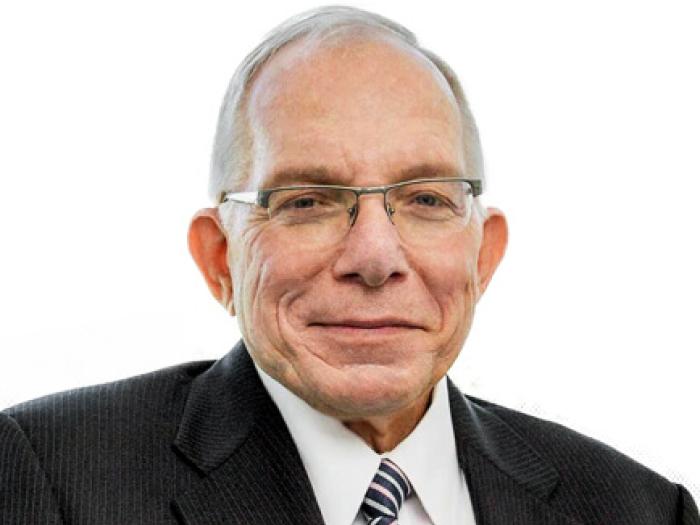
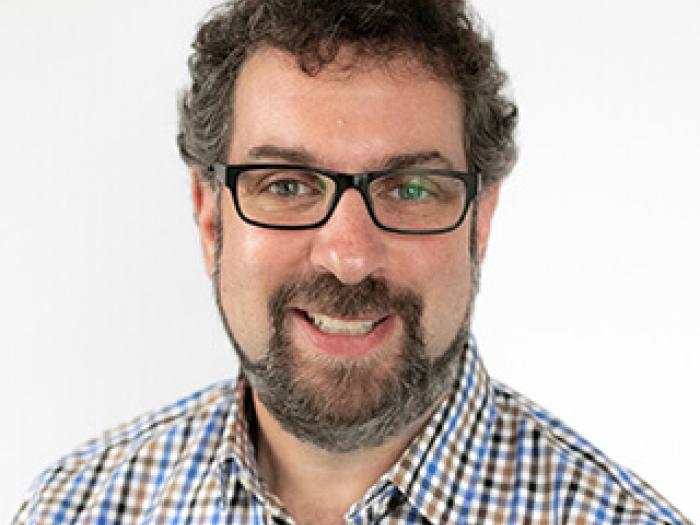
Program Director, Israel Education; Research Associate Professor, Experiential Jewish Education
