
GSEHD Staff Member Wins an Excellence in Student Life Award

IMPACT
IMPACT
In Education, Leadership, Counseling & Policy


See what makes GW and our grad programs in education and human development the best fit for you.


Learn more about our programs, schedule a campus tour, or register for an upcoming info session.


Ready to take the next step in your career? Submit your application today. There’s no application fee!

It’s a saying engrained at the George Washington University. It means always striving to do your best, helping others, and aiming to change the world. At the Graduate School of Education and Human Development (GSEHD), we’re focused on building scholar-practitioners who aim to connect practice with action. We’re here to elevate and amplify your voice, while giving you the tools to elevate and amplify others.
At GSEHD, you’ll find yourself amongst a diverse community of students who are committed to changing the lives of others through education, leadership, counseling, and policy. Our community of dedicated, lifelong learners define who we are today and what the nation and world can become.

Explore Your Future at GSEHD
Experience life at GW! Schedule a tour, register for an info session, and connect with our Admissions team.

Ready to take your career to the next level?
Summer and Fall 2024 deadlines are quickly approaching. There's no application fee and the GRE isn't required for admission.

5 Tools and Resources for Special Education Teachers and Administrators

Ask Me Anything: Prepare for Applying to GSEHD
Chat with our Admissions Director to learn more about how to apply, financial aid and more
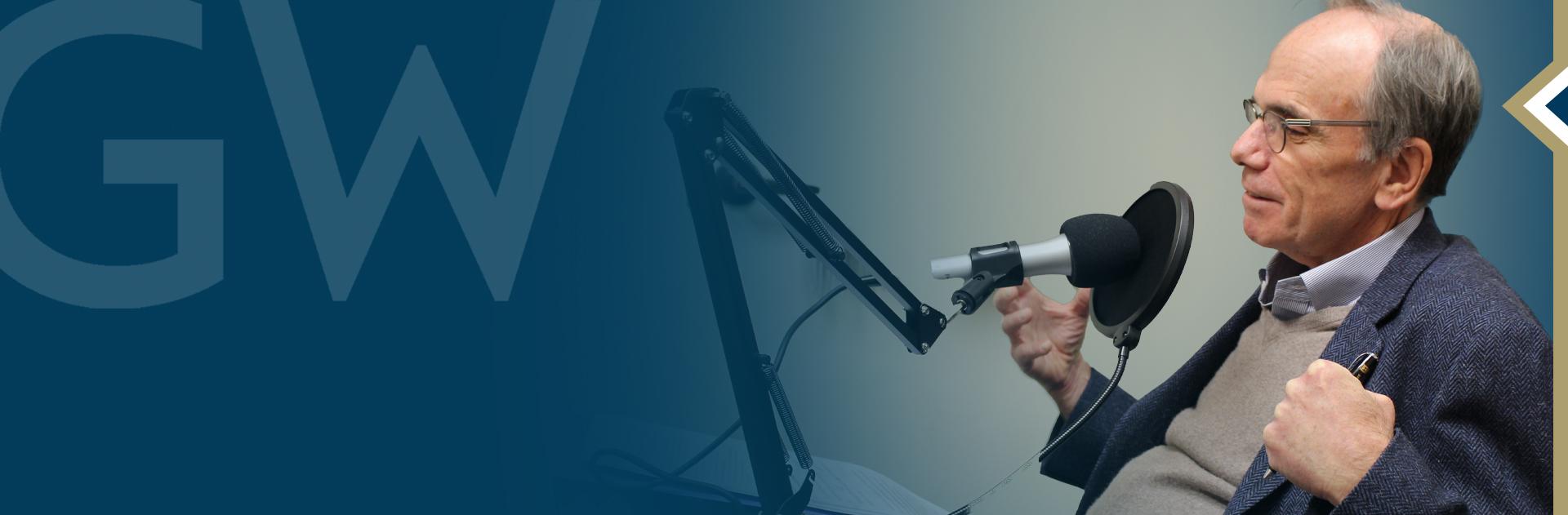
EdFix: A Podcast About the Promise and Practice of Education
Join Dean Michael Feuer and top experts in the field as they take on some of education's most complex issues.
Listen to the latest episode, ChatGPT and Beyond: Teaching in the AI Era, featuring Dr. Ryan Watkins


Address diverse and critical concerns within the field of counseling. Our programs prepare students to become practitioners in an expansive range of specialties, including school counseling, clinical mental health counseling, rehabilitation counseling, and career and workforce development.

The curricular and pedagogical tools used in our nation’s schools are the foundation for educational and societal transformation. We offer the highest level of training for individuals preparing for a career in K-12 teaching, as well as for professionals aiming to become specialists in curriculum design.
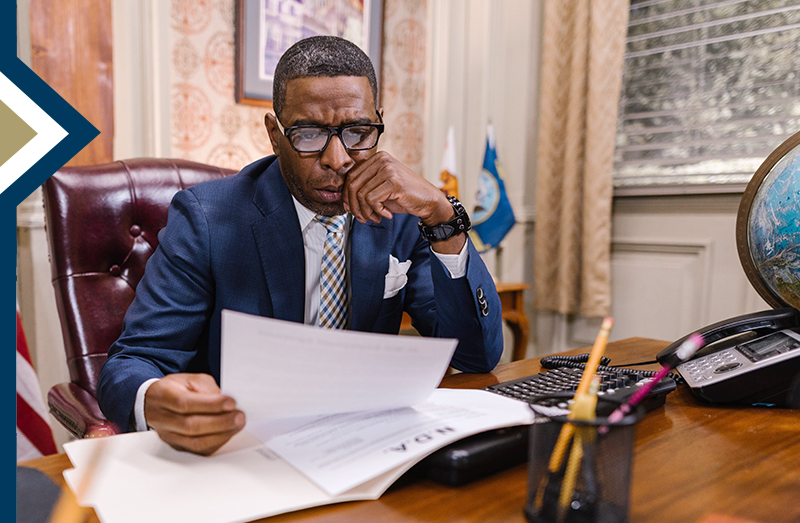
Our programs in education policy, leadership, and administration equip alumni to solve problems, implement new policy, and drive change for good in ways that reform and transform communities worldwide. Students integrate theory with practice to become successful leaders in their fields.

Advance your leadership skills to effectively lead change and sustainably manage organizations of all types. Students work closely with faculty to learn theoretical applications, new research, and best practices in order to facilitate organizational growth.

Students in our special education programs are expertly trained to meet the diverse needs of youth with, or at-risk for, disabilities. Faculty offer mentorship to help students gain the knowledge and skills to make a lasting difference in schools and communities.

Scholars make a direct impact on society and confront the most complex issues in the field of education, including evolving technology, leadership, policy, and more. Take a multi-disciplinary approach while honing your skills in a specific concentration.
Make an impact on society and drive progress. Our graduate programs foster exceptional leadership skills, empowering educators, administrators, counselors, researchers, and more to make a difference in their respective disciplines.
At GSEHD, we build and use rigorous methods to investigate important questions. Our faculty and students leverage their interests, knowledge, and analytical skills to improve education and advance social progress.

The Center for Rehabilitation Counseling Research and Education prepares professionals to work with people with disabilities to reach their employment goals and better integrate into society.

As AI tools like ChatGPT are changing daily aspects of our lives, Educational Technology Leadership faculty are leading the way in guiding educators on how to incorporate these tools into the classroom, as well as discussing hot topics such as ethics and potential implications.

The Humanistic Initiative, led by Dr. Shaista Khilji, fosters respect, dignity, compassion, and sustainability as the basis of leadership and organizations.

Being a part of GSEHD has been one of the best decisions I have made. I now feel well prepared to serve the community while providing services to families and children in the DC area. Completing my education here has taught me to be independent, confident, and resilient. Thank you to GSEHD, my professors, peers, and family for your guidance and support!
Tatyana Suares (MA '20)
Clinical Mental Health Counseling

Being a part of GSEHD has been one of the best decisions I have made. I now feel well prepared to serve the community while providing services to families and children in the DC area. Completing my education here has taught me to be independent, confident, and resilient. Thank you to GSEHD, my professors, peers, and family for your guidance and support!
Tatyana Suares (MA '20)
Clinical Mental Health Counseling